Galvanized water piping is still found in many older homes and commercial buildings. Although these pipes may have served the property for decades, age and corrosion can eventually cause leaks and restrict the amount of water reaching fixtures.
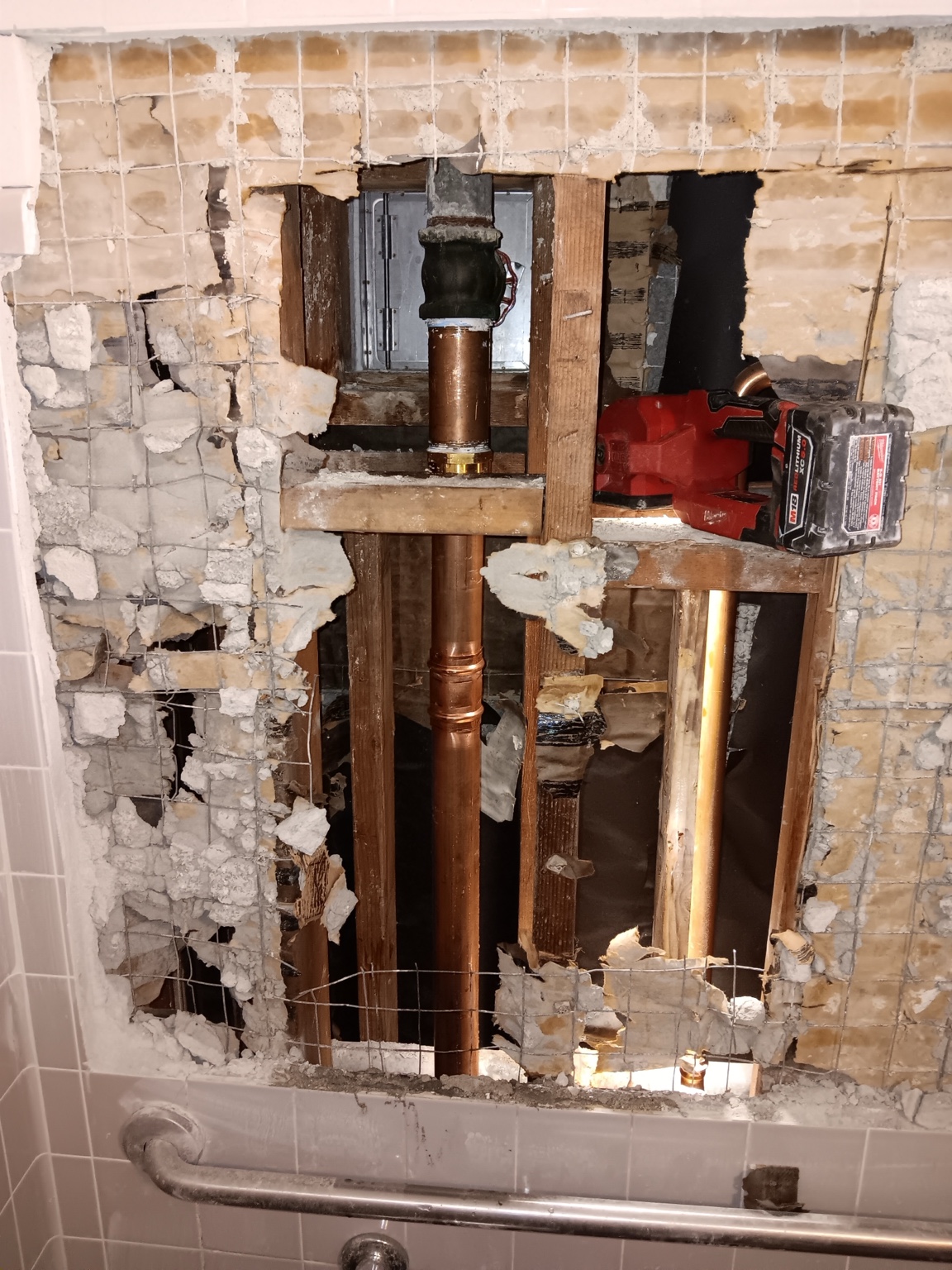
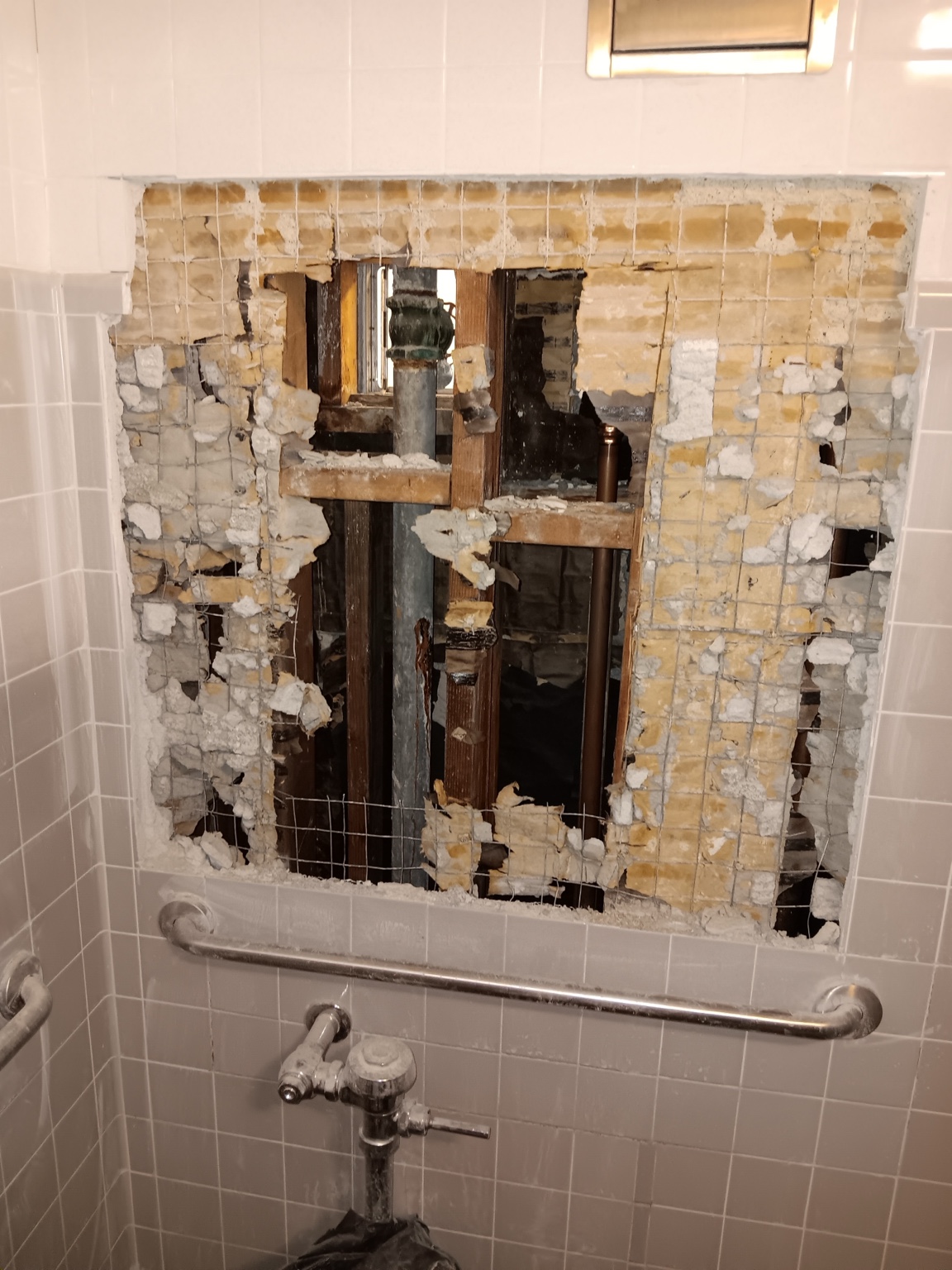
At Copper Shine Plumbing, we recently completed a spot repair at a Simi Valley business by replacing a leaking galvanized section and transitioning to brass, then copper. Projects like this show why the condition of older water supply piping matters.
Why galvanized pipes rust
Galvanized pipe is steel protected by a zinc coating. That coating helps resist corrosion, but it does not last indefinitely. As the protective layer deteriorates, the underlying steel becomes vulnerable to rust.
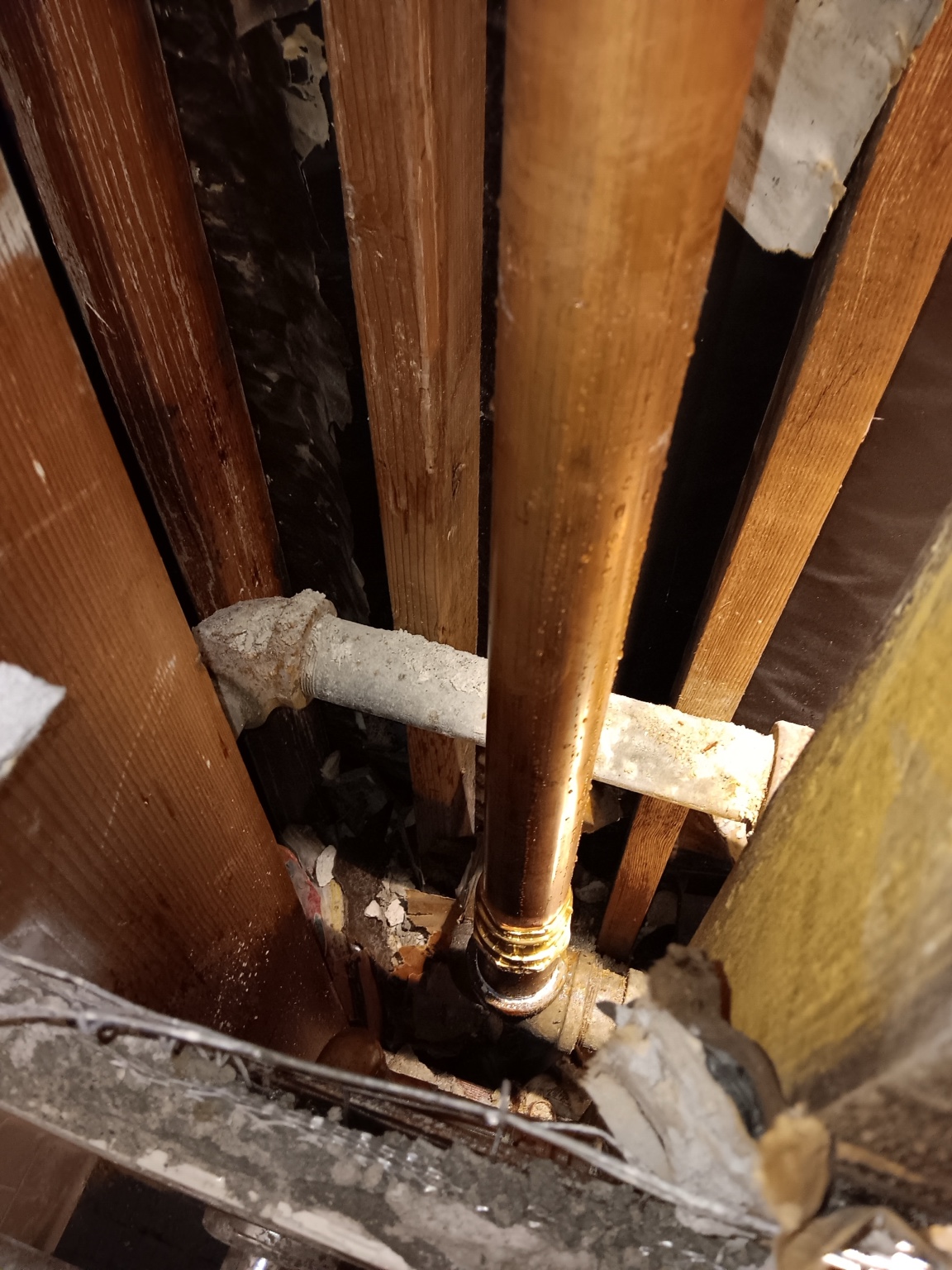
Corrosion can affect both the pipe wall and threaded connections. Over time, weakened areas may develop leaks, including inside walls where theproblem is not immediately visible.
What happens inside the pipe?
The outside of a pipe does not tell the whole story. Internal corrosion products, sediment, and mineral deposits can accumulate along the pipe walls, gradually narrowing the passage available for water.
A pipe that once carried an adequate volume of water may eventually struggle to supply fixtures, particularly when more than one is being used.
Property owners often describe this as low water pressure. In some cases, the issue is restricted flow through deteriorated piping, even when the incoming supply pressure is adequate. Other plumbing problems can cause similar symptoms, so an assessment helps identify the actual cause.
Why use brass and copper for a repair?
Replacing a deteriorated galvanized section removes the damaged piping and allows us to install durable replacement materials. Copper is corrosion resistant and does not develop the internal iron rust associated with aging galvanized steel.
For this Simi Valley repair, we transitioned from the existing galvanized piping to brass, then copper. The brass transition provides separation between the galvanized steel and copper, helping reduce galvanic corrosion and supporting a durable, long-lasting repair.
This approach addresses the leaking section while retaining the surrounding piping where it remains suitable for service.
When does a spot repair make sense?
A spot repair may be appropriate when the leak is localized and the remaining connection points are in suitable condition. It allows the affected section to be addressed without automatically expanding the work to every water line in the building.
However, replacing one section does not remove rust or deposits from galvanized piping elsewhere. Any improvement in flow depends on where the restrictions are located and how much affected piping is replaced.
Repeated leaks, badly deteriorated threads, or restrictions throughout multiple lines may indicate that a larger replacement plan deserves consideration.
Signs worth having checked
- Recurring leaks in older water lines.
- Weak flow, especially when multiple fixtures are running.
- Rust-colored water that appears repeatedly.
- Visible corrosion around pipe joints.
- Moisture or staining near concealed water piping.
These symptoms can have more than one cause. Inspecting the system helps determine whether a localized repair or additional work is appropriate.
Water supply repair in Simi Valley
Copper Shine Plumbing helps homeowners and businesses address leaking water supply pipes with clear explanations and an upfront price.
See our recent Simi Valley business pipe repair, or visit our Water Service Repairs page and use our contact form to request service.
All photos show actual work performed by Copper Shine Plumbing.